トレンドカラー
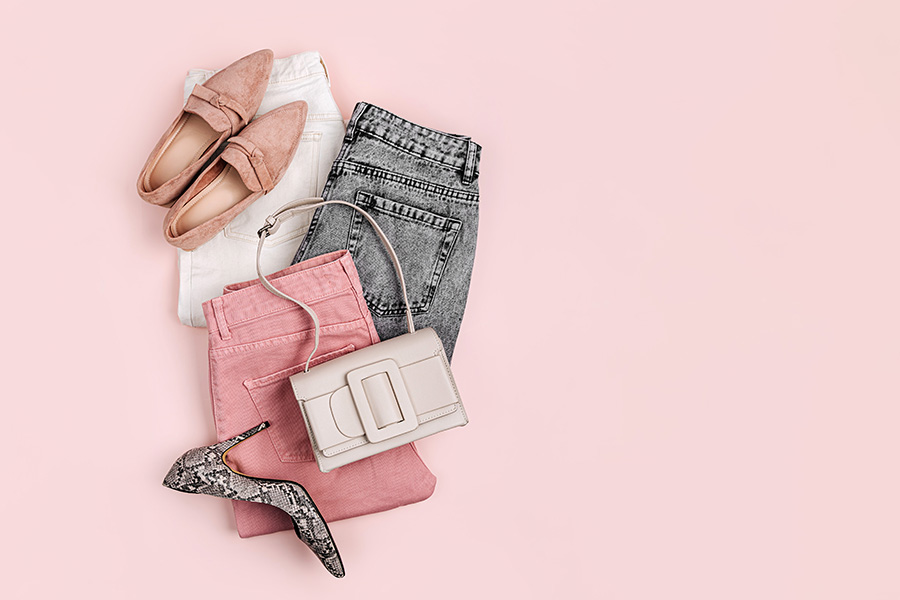
レディースファッションの大きなポイントの一つはカラーです。デザインだけでなく「その年の流行の色」を上手に取り入れることで、トレンドを抑えられるはずです。トップスなどにこだわりすぎず、バッグや靴、小物などでカラーを取り入れると良いでしょう。

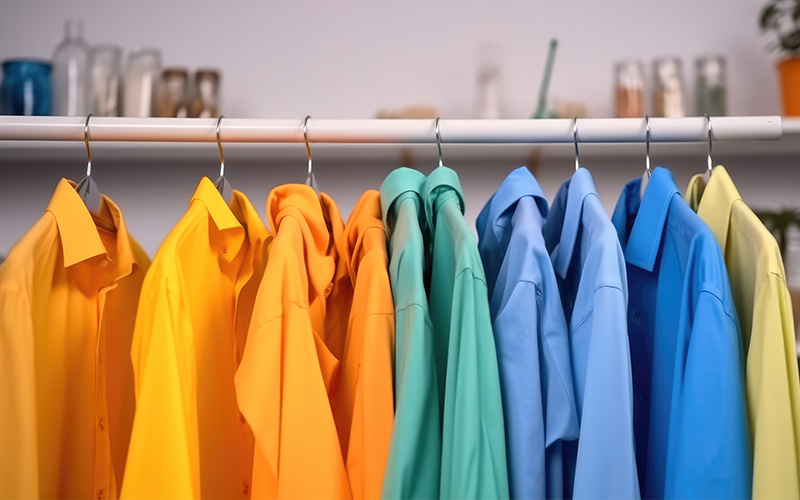
レディースファッションの大きなポイントの一つはカラーです。デザインだけでなく「その年の流行の色」を上手に取り入れることで、トレンドを抑えられるはずです。トップスなどにこだわりすぎず、バッグや靴、小物などでカラーを取り入れると良いでしょう。
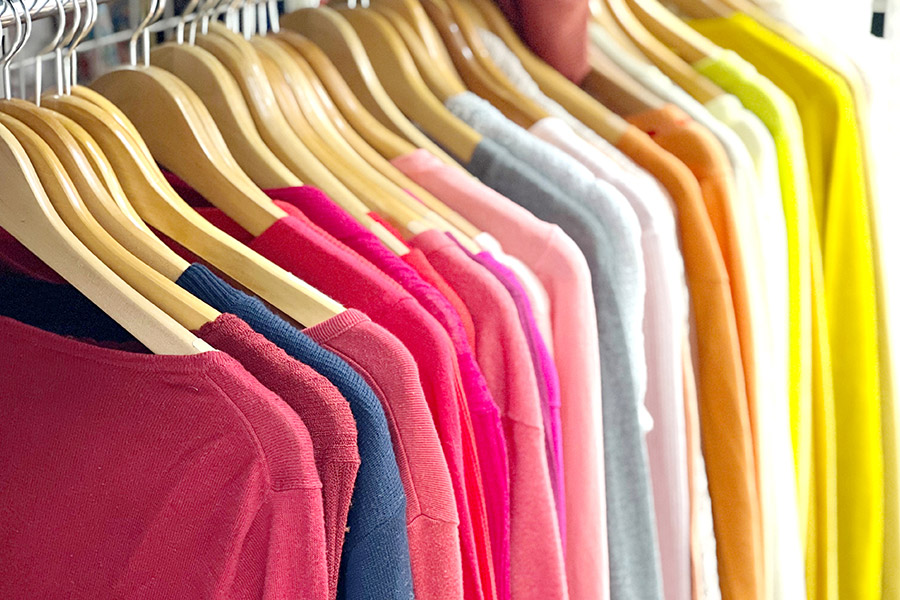
トレンドカラーに関する情報を知るには、インターネットを活用するのがおすすめです。アパレル会社が運営しているサイトやファッション関係のSNSをチェックすると、トレンドをいち早くキャッチして自身の着こ…
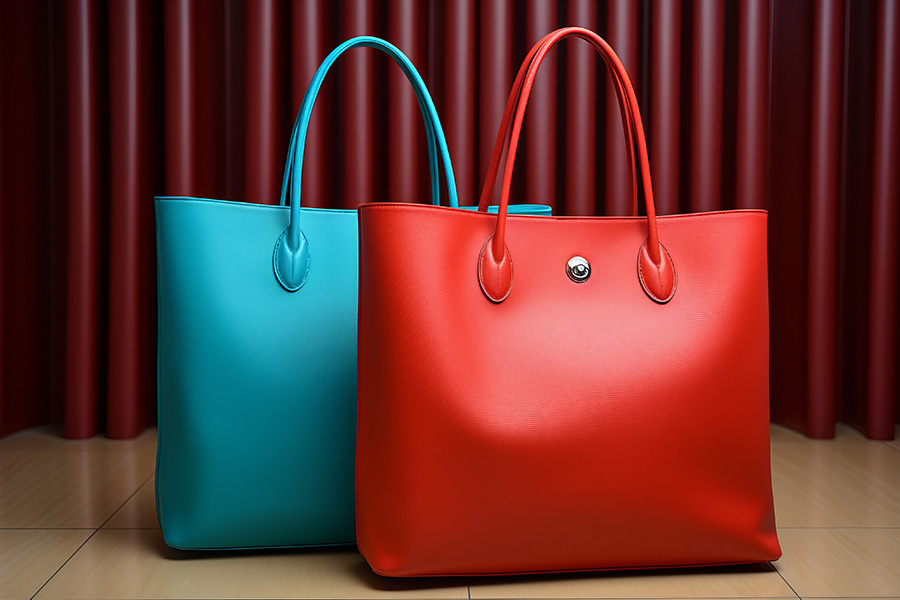
スタイリングに季節ごとのトレンドカラーをいかに取り入れられるかが、レディースファッションでは重要です。そこで注目したいのが小物類のカラーです。例えば、バッグはコーディネートの主役となる小物です。ト…
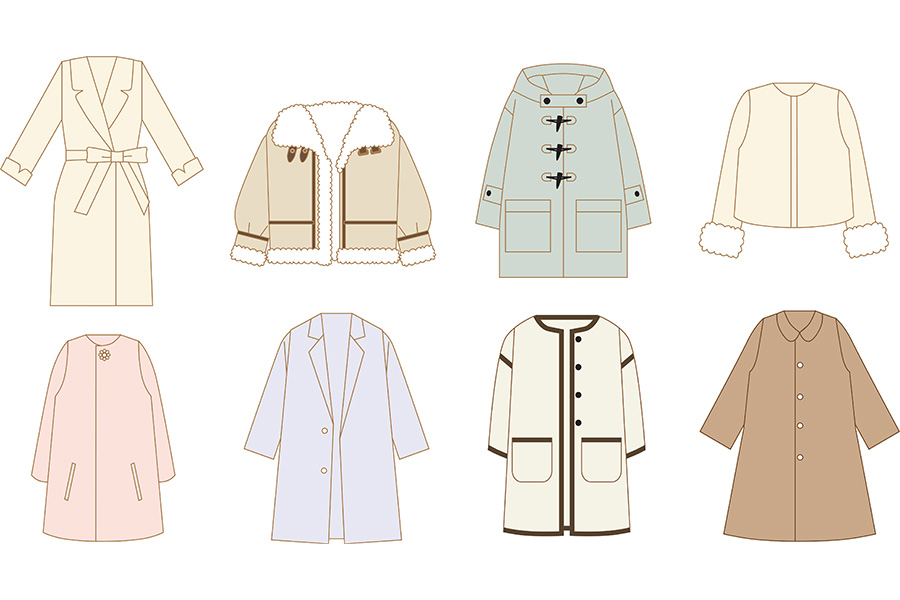
「今風のコーディネートをおしゃれに楽しみたい!」という場合に意識したいのが、トレンドカラーです。季節や流行に合った色を服装に取り入れることで、新鮮なファッションを楽しむことができます。スタイリッシ…
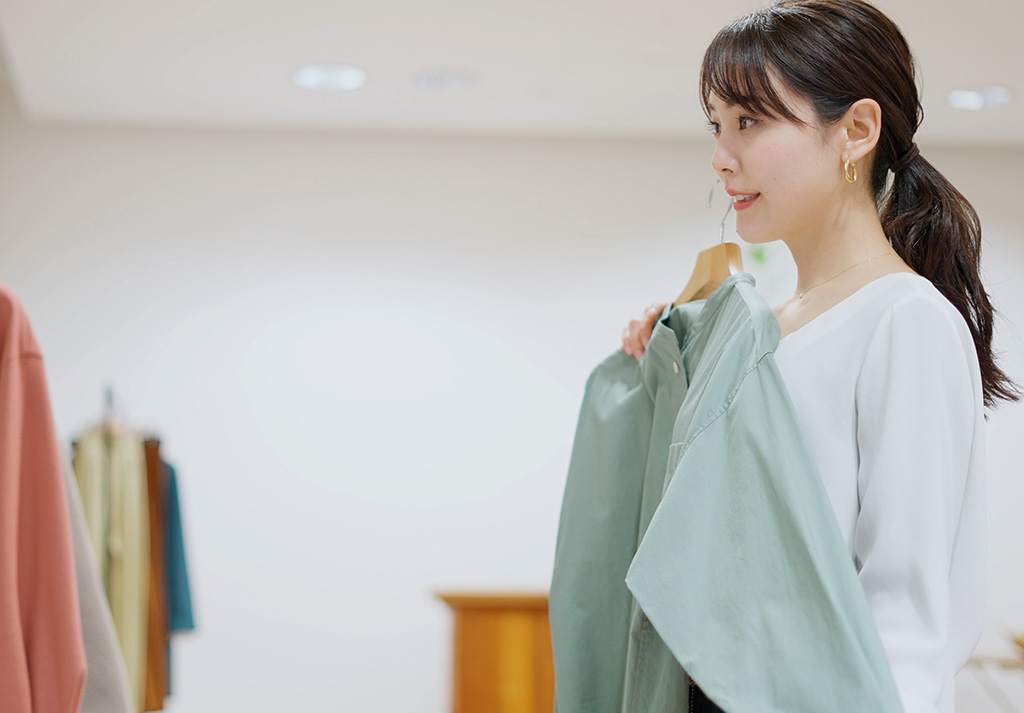
「同じようなデザインのはずなのに、なんだか野暮ったく見える?」とお悩みの方もいることでしょう。その原因は、トレンドのデザインが頻繁に変わっているからかもしれません。スカート一つをとっても、ミディ丈、ミモレ丈、マキシ丈と様々な丈の長さがあります。そういったポイントを外さないように気を付けてチェックしてみましょう。
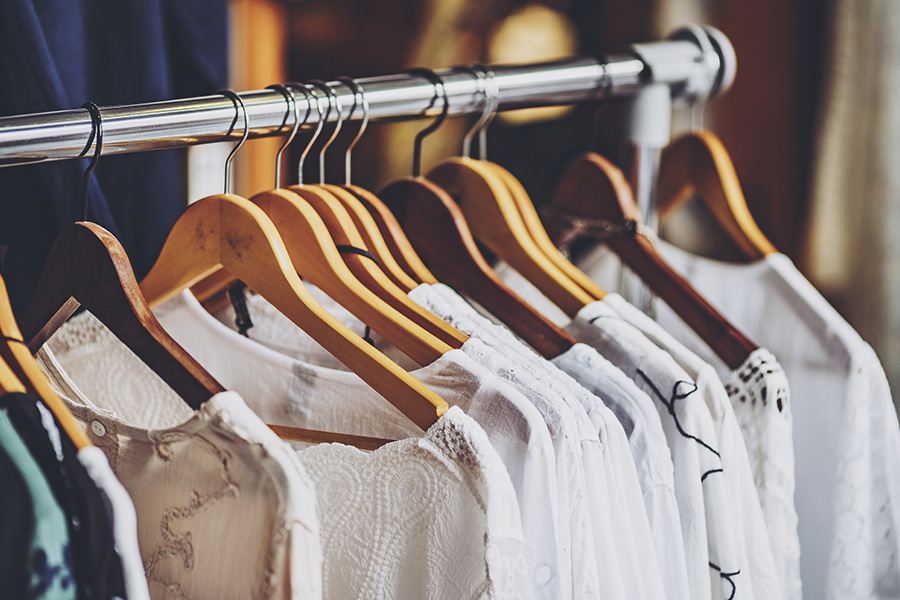
トレンドデザインは、オーソドックスなデザインと比べて、パッと目を引く大きな違いがあるとは限りません。デザインや丈感の微妙な差によって、トレンド感を演出していることも多いので、細かな点にも注目するよ…
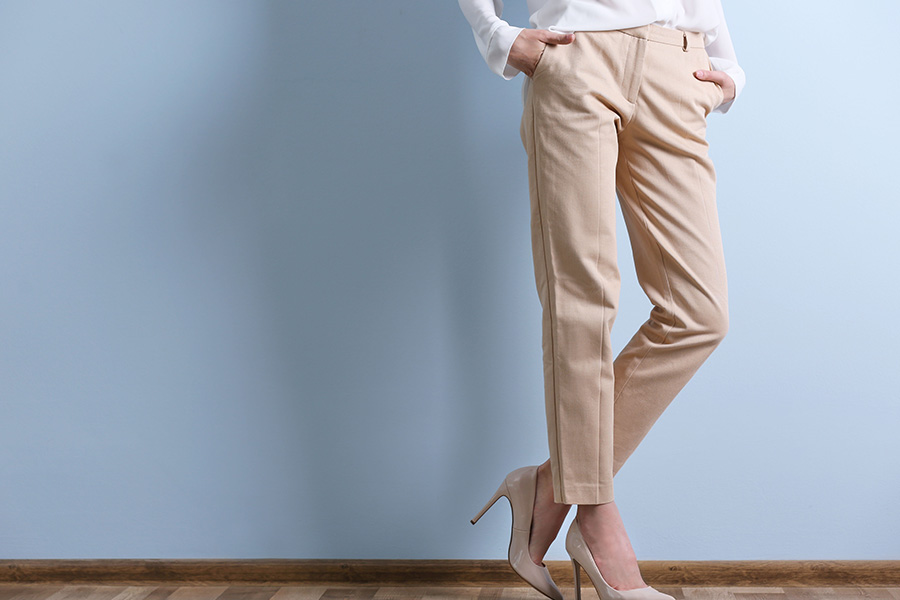
ボトムスの定番といえば、パンツでしょう。一口にパンツといっても、実はデザインバリエーションが豊富です。たとえば、ストレートパンツ、ワイドパンツ、スキニーパンツ、フレアパンツ、テーパードパンツ、など…
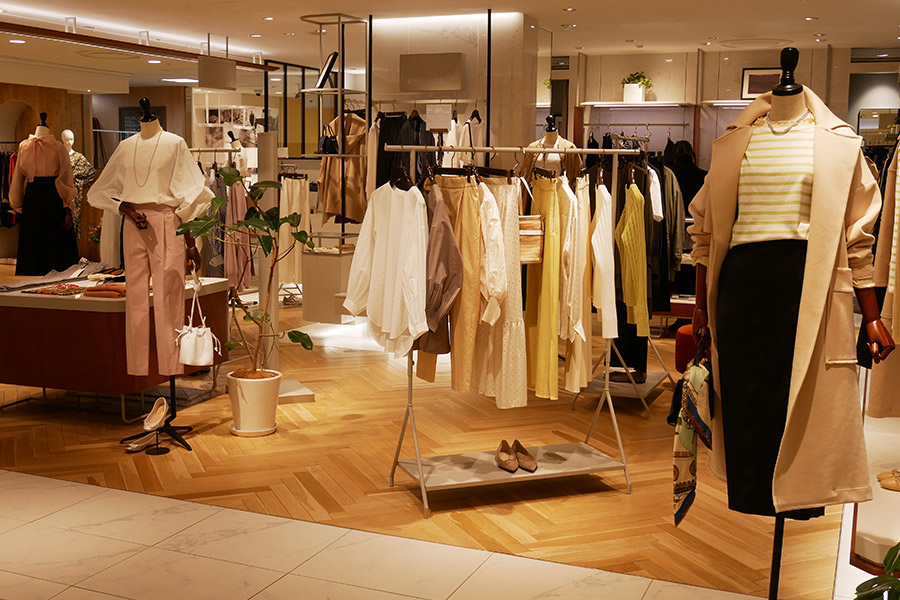
トレンドデザインを着こなすのは難しいというイメージもあるかもしれません。全体のシルエットに気を付けて、トップスとのバランスをしっかり考えて組み合わせるという基本を押さえておけば、初心者でもバランスの取れたコーデを実現できますよ。ゆったりめのトップスに、ゆとりのあるデザインのイージーパンツやワイドパンツを合わせれば、リラックス感の感じられるやわらかな印象のコーディネートになります。よりメリハリのあるコーディネートにしたい場合、対照的なシルエットのトップスとパンツを合わせるのがおすすめです。ゆったりめのトップスに、スリムパンツやスキニーパンツを組み合わせると、嬉しいスタイルアップ効果も期待できますよ。また、フィット感のあるタイトなシルエットのトップスとパンツを選べば、すっきりとした軽やかな印象を与えられます。
トレンドデザインをよりおしゃれに着こなすには、細かな小物遣いにもきちんと気を配ることが大切です。ボトムスと合わせるベルトについては、シンプルなものを選べばボトムスとの一体感が感じられて、すっきりとした綺麗なシルエットにまとめやすいです。存在感のあるデザイン性の高いベルトを取り入れると、ベルトが素敵なワンポイントになります。ベルトを主役にしたスタイリッシュなスタイルに仕上げることもできますよ。また、トレンドスタイルは、どんな靴を組み合わせるかによって印象ががらりと変わるものです。靴も含めたトータルコーディネートをしっかり考えるようにしてください。冬であればブーツ、夏にはサンダルといった季節感のある靴を選ぶと、よりおしゃれな着こなしを実現できるでしょう。